
I tested three massive pots of potato soup in three days. My stovetop looked like a commercial potato processing plant, my sink was piled high with peelers and Dutch ovens, and my refrigerator was packed with containers of cold chowder. I was on a personal mission to kill off what is easily the most heartbreaking soup tragedy in home cooking: the gummy, wallpaper-paste potato soup.
Let me be brutally honest with you. Most potato soup recipes on the internet are completely unhinged. They tell you to boil naked potatoes in watery broth, dump in cold milk, and then commit the ultimate culinary sin: shoving an immersion blender into the pot and pureeing it on high speed.
What happens? The high-speed metal blades shear the delicate potato starch cells open, releasing massive clouds of gelatinized amylose. Within thirty seconds, your cozy autumn soup transforms into stretchy, gummy wallpaper glue that sticks to your teeth. Throw in some pre-shredded bag cheese that refuses to melt, and you are left staring at a bowl of gray sludge swimming in yellow grease.
We are not doing that today.
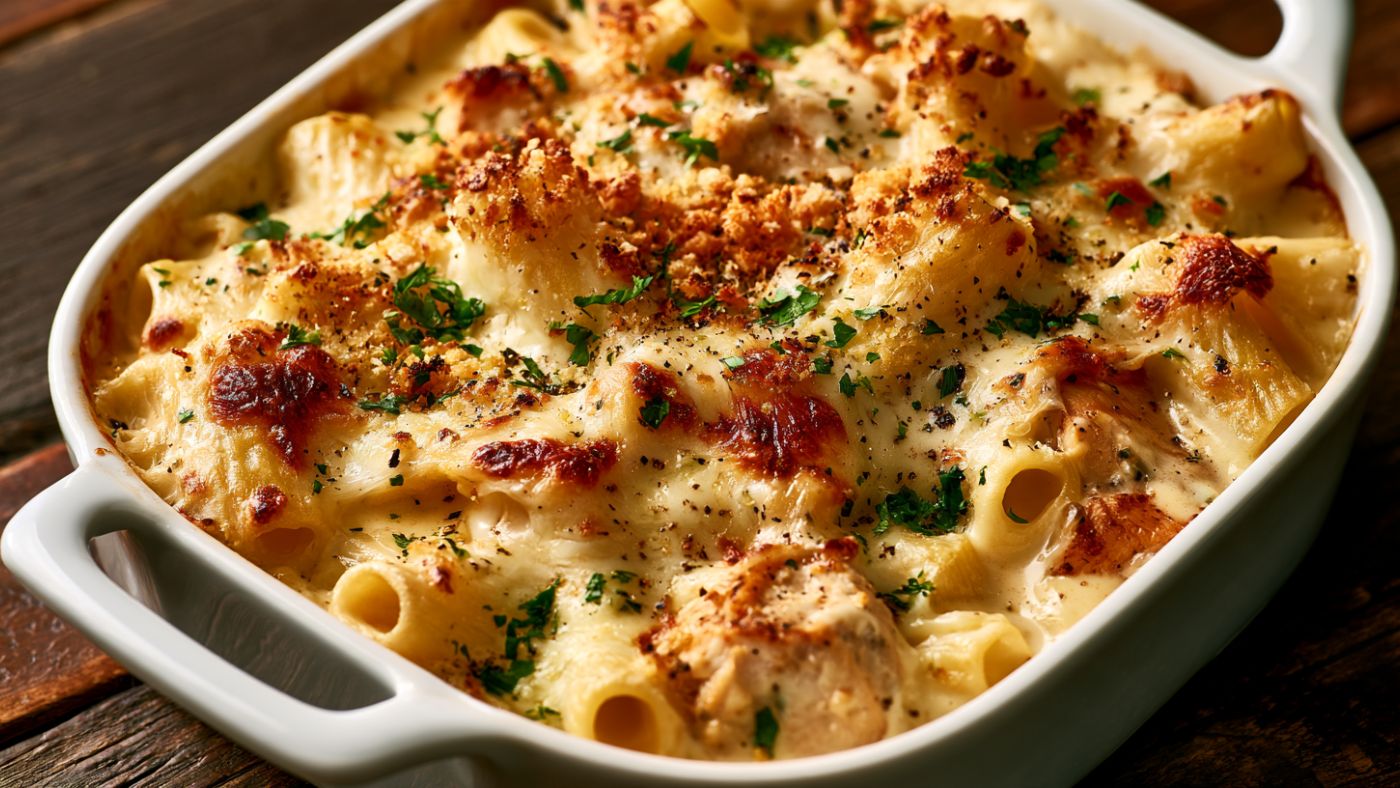
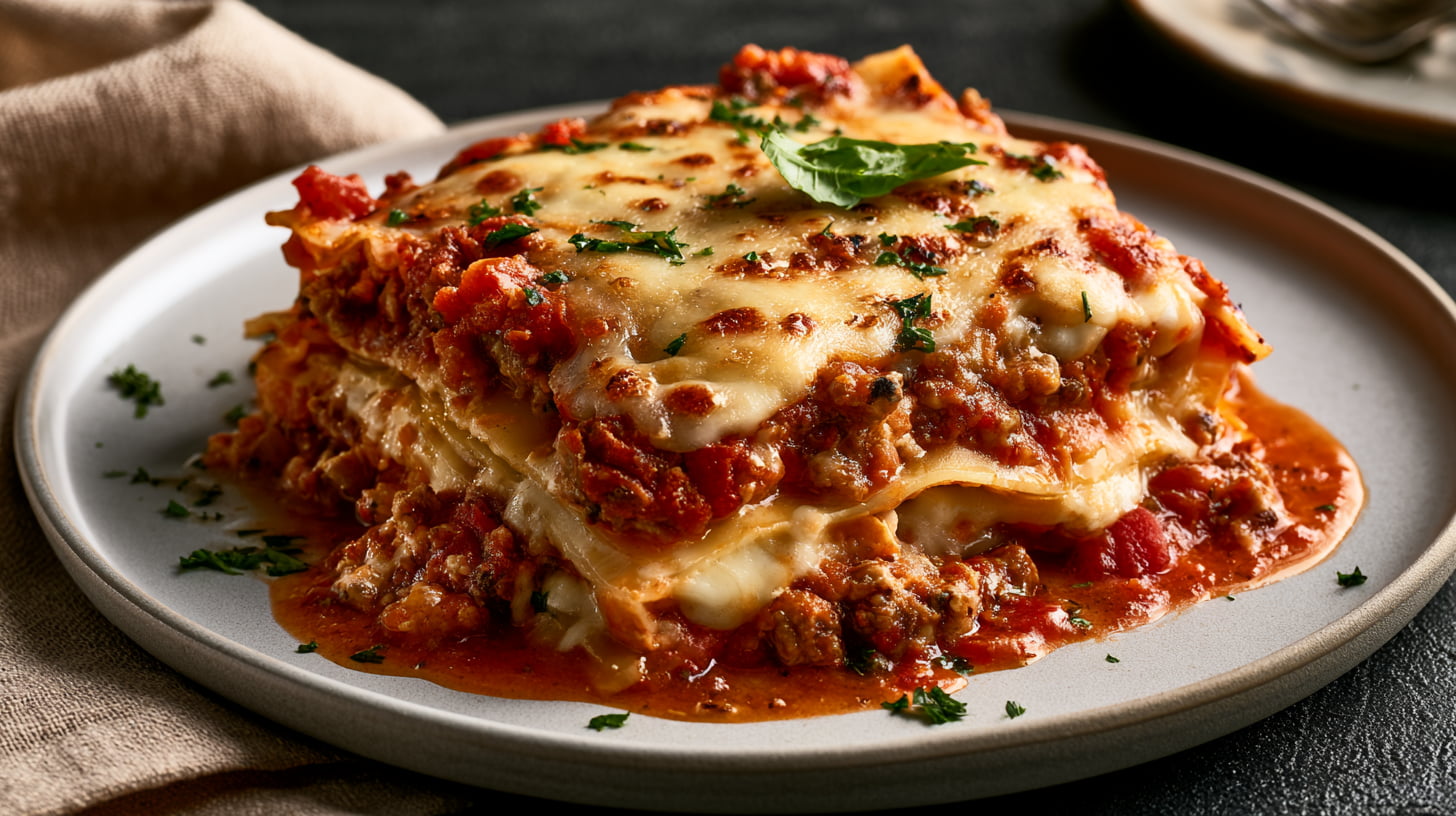
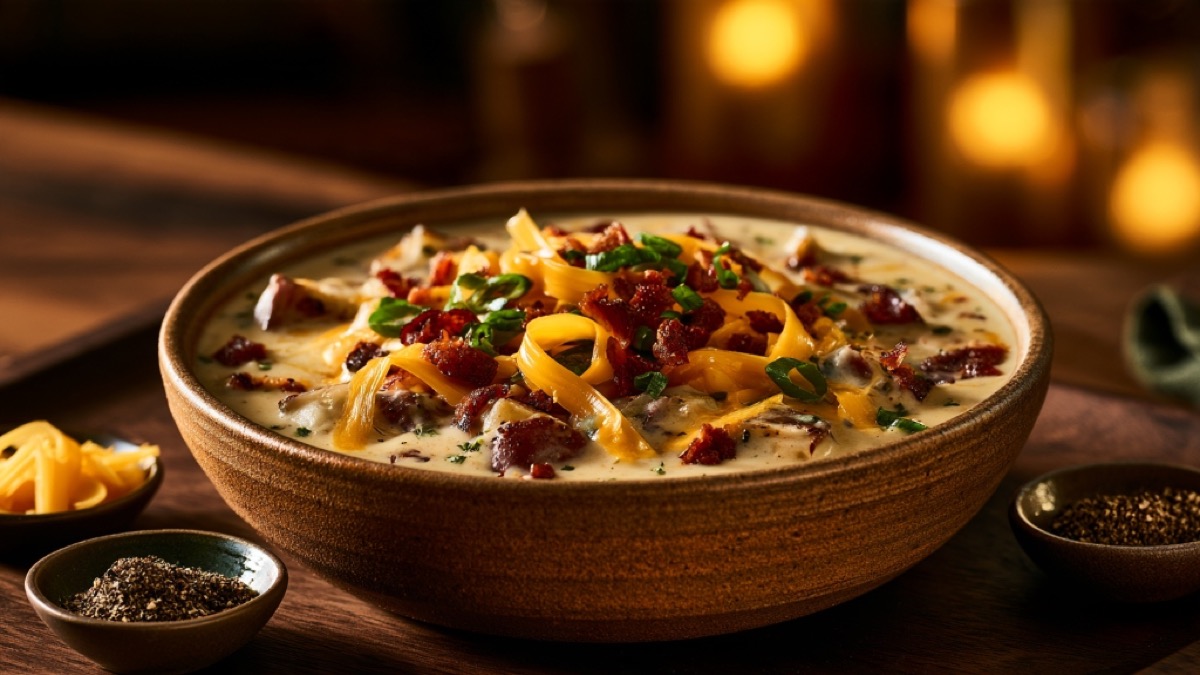
Today we are building the Ultimate Loaded Baked Potato Soup. We are talking about tender, melt-in-your-mouth potato cubes suspended in a velvety, smoky bacon-infused cream broth. We fold in tangy sour cream and sharp cheddar off the heat so it melts into liquid silk, then crown each steaming bowl with crisp bacon, extra cheddar, and fresh green onions. It tastes like the best steakhouse loaded baked potato you have ever had in your life, scooped up with a spoon (and if you love comforting cold-weather comfort food, pair this with my garlic butter chicken alfredo bake or ultimate lazy lasagna to round out your weekly dinner plan).
The Food Science of The Spud (Why Blenders Ruin Potato Soup)
To make restaurant-quality potato soup, you have to understand the microscopic behavior of potato starches.
Potatoes are packed with starch granules encased in microscopic plant cell walls. As potatoes simmer in hot broth, those granules absorb liquid, swell up, and soften until they can easily be crushed with a fork.
If you put a high-speed immersion blender or blender into that pot:
- Mechanical Shear: The spinning blades do not just crush the cells; they violently rip the cell walls apart.
- Amylose Flooding: Free amylose starch pours into the broth in uncontrolled waves, tangling together into a dense polymer web.
- The Rubber Glue Effect: That tangled starch web traps the liquid into a viscous, rubbery matrix that feels identical to preschool papier-mache paste.
The fix is stupidly simple. We use a standard handheld potato masher.
By gently mashing roughly half of the cooked potatoes right in the Dutch oven, we crush the spuds without rupturing their cell walls. The crushed potatoes dissolve into the broth, thickening the soup into a luxurious, creamy chowder while leaving millions of tender, whole potato chunks to bite into.
The Four Non-Negotiable Secrets to Flawless Potato Soup
Follow these four rules and your potato soup will outshine every restaurant in town.
1. The Russet and Yukon Gold Tag Team. Do not use only one variety of potato. Russet potatoes are high in starch and low in moisture; they break down effortlessly when mashed, acting as our natural thickener. Yukon Gold potatoes, on the other hand, are waxy and buttery; they hold their structural shape in simmering broth, giving you delicious, tender cubes that never dissolve into mush. Using an even fifty-fifty split gives you the holy grail of texture.
2. Render the Bacon First. Never cook bacon on the side in a separate pan. We chop thick-cut smoky bacon and render it slowly in the bottom of our Dutch oven until crisp. We pull the crispy bits out for garnish, but we keep that liquid gold bacon grease right in the pot. Sautéing our onions, celery, and garlic directly in that bacon fat builds an intense, savory fond that flavors every single drop of broth.
3. Build a Stovetop Roux. After your aromatics are soft, sprinkle one-third of a cup of all-purpose flour over the vegetables and cook it for two minutes. Cooking the flour into the bacon fat creates a blond roux. When you whisk in the chicken broth, that roux expands, providing a stable, velvety foundation that keeps the dairy from separating later on.
4. Add Cheese and Sour Cream OFF the Heat. Dairy fats are delicate emulsions. If you dump cold shredded cheddar or sour cream into a boiling pot of soup on a live burner, the extreme heat will cause the proteins to seize up and curdle. Pull your Dutch oven completely off the stove, wait sixty seconds for the bubbling to stop, then stir in the sour cream and fold in your freshly grated cheddar. It melts instantly into pure, glossy velvet.
Flavor Variations and Tasty Swaps
This loaded baked potato soup is a masterclass recipe, but you can easily modify it based on your personal taste or dietary preferences.
Loaded Broccoli Cheddar Potato Soup: Want to sneak in some greens? Add two cups of small fresh broccoli florets to the pot during the last eight minutes of simmering the potatoes. The broccoli turns tender-crisp, pairing heavenly with the sharp cheddar and bacon.
Smoky Jalapeño Bacon Kick: If you love spicy comfort food, finely dice two fresh jalapeño peppers (seeds removed for moderate heat) and sauté them right along with the onions and celery. The gentle pepper heat cuts through the rich heavy cream in the best way possible.
Vegetarian Adaptation: You can easily make this completely meat-free. Swap the bacon fat for four tablespoons of unsalted butter, use a rich vegetable broth or mushroom stock instead of chicken broth, and stir in a quarter teaspoon of smoked sea salt to capture that wood-fired smoky aroma.
The Slow Cooker Shortcut: If you want dinner waiting for you after work, sauté your bacon, aromatics, and roux on the stove first, then transfer everything into your slow cooker with the potatoes and chicken broth. Cook on “Low” for 6 to 7 hours (or “High” for 3 to 4 hours) until tender. Mash half the potatoes, stir in the milk, cream, sour cream, and freshly grated cheese right before serving.
Bennett’s Troubleshooting Guide
Did something look off while your soup was simmering? Here is how to diagnose and fix it immediately.
Why is my soup too thin? If your soup looks watery, you either added too much liquid or did not mash enough potatoes. Take your potato masher and aggressively mash another third of the potatoes in the pot. As the crushed potato starch mingles with the broth, it will thicken up dramatically within two minutes. If you still want it thicker, simmer uncovered for five extra minutes.
Why is my cheese sauce gritty or oily? Grittiness happens when you use pre-shredded cheese from a plastic bag. Bagged cheese is coated in cellulose powder and potato starch to prevent clumping on store shelves, which ruins melting. Always buy a block of sharp cheddar and grate it fresh on a box grater.
Can I freeze potato soup? Soups containing heavy cream, sour cream, and chunks of potato do not freeze well. As potato chunks freeze, their water expands and crystallizes, turning the potatoes mealy and spongy upon thawing. The dairy can also break and separate when reheated. Enjoy this fresh from the fridge within four days for the best experience.
Storage and Next-Day Reheating
Like chili and beef stew, potato soup actually tastes even more incredible on day two because the potato starches and smoky bacon flavors marry together overnight.
Refrigerator Storage: Let the soup cool to room temperature, transfer it to an airtight container, and store in the fridge for up to four days. As it chills, the starches will cause the soup to solidify into a thick paste. Do not panic, this is completely normal.
The Stovetop Reheat Hack: Pour your leftover soup into a small saucepan over medium-low heat. Add two to three tablespoons of whole milk or chicken broth to loosen the starches. Warm gently, stirring occasionally with a silicone spatula, until hot and velvety.
The Microwave Method: Place your desired portion in a microwave-safe bowl, splash in one tablespoon of milk, and cover with a paper towel. Microwave at 70 percent power in 60-second intervals, stirring between each zap. The gentle power level warms the dairy without breaking the cheese emulsion.